
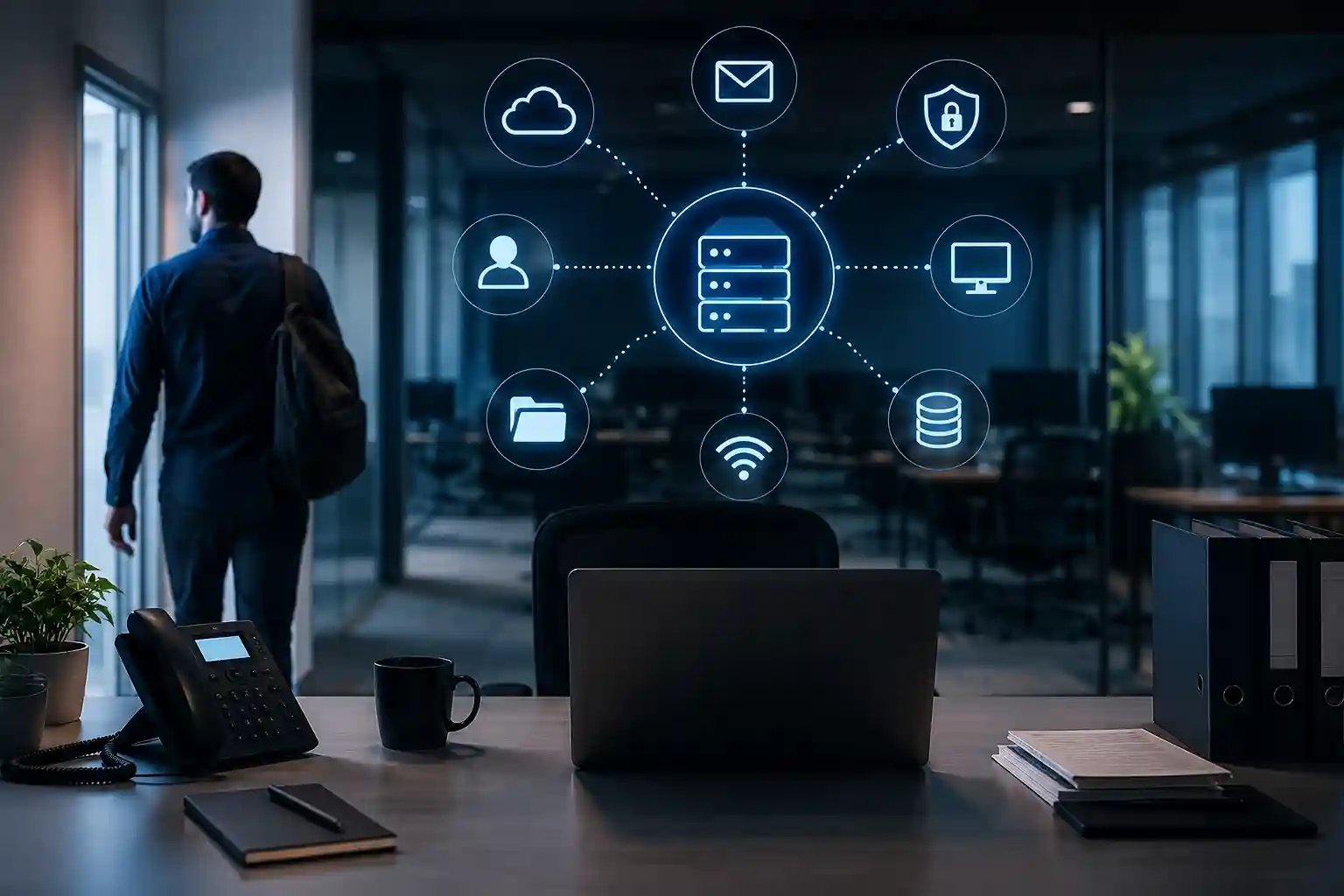
In many businesses across Dubai, technology has become the backbone of daily operations. From email communication and cloud applications to cybersecurity, network management, data storage, and business-critical software, organizations rely heavily on their IT infrastructure to function efficiently.
Yet many business owners, CEOs, and CFOs overlook a significant operational risk: what happens if the person managing all of these systems suddenly leaves the company?
Whether due to resignation, retirement, illness, termination, or an unexpected emergency, the departure of an IT administrator can create disruptions that extend far beyond the IT department. For businesses without proper documentation, proactive maintenance, and structured support processes, the impact can be immediate and costly.
This is one of the key reasons why many organizations are investing in professional IT AMC services in Dubai to reduce dependency on individuals and build resilient IT operations.
The Hidden Risk of Relying on One IT Administrator
Many small and medium-sized businesses operate with a single IT administrator who manages everything from user accounts and network infrastructure to security updates and software licensing.
Over time, this individual accumulates valuable knowledge about:
- Server configurations
- Network architecture
- Security policies
- Backup procedures
- Vendor relationships
- User permissions
- Application settings
- Business-specific workflows
While this may seem efficient, it often creates a dangerous single point of failure.
When critical knowledge exists only in one person’s mind, the organization becomes vulnerable.
Business leaders frequently assume that systems will continue functioning smoothly after an employee leaves. However, many discover too late that there is limited documentation, outdated processes, and no clear transition plan.
What Happens When an IT Administrator Leaves?
The consequences can vary depending on the size and complexity of the business, but common challenges include:
Lost Access to Critical Systems
Many organizations discover that administrative credentials, service accounts, licensing information, or cloud platform access details were never properly documented.
This can delay operations and create significant security concerns.
Delayed Issue Resolution
When technical issues arise, remaining staff may not understand system dependencies, previous configurations, or troubleshooting procedures.
Even minor issues can take significantly longer to resolve.
Increased Cybersecurity Risks
A departing administrator may leave behind:
- Unmonitored accounts
- Outdated access permissions
- Incomplete security configurations
- Unpatched systems
These gaps can expose businesses to cyber threats and compliance risks.
Disrupted Business Operations
If critical applications, servers, or networks experience issues, the absence of key technical knowledge can lead to extended downtime.
For businesses that rely heavily on technology, every hour of disruption affects productivity and customer service.
The Financial Impact of Knowledge Dependency
Many executives underestimate the financial implications of IT dependency.
The costs often include:
Employee Productivity Loss
When systems fail or become inaccessible, employees cannot perform their responsibilities efficiently.
The cumulative productivity loss across departments can quickly become significant.
Emergency IT Support Costs
Businesses frequently require urgent external assistance to understand and stabilize existing infrastructure.
Emergency support is often more expensive than ongoing preventative maintenance.
Revenue Loss
Customer-facing systems, communication platforms, and operational tools may be affected, leading to delayed services and lost business opportunities.
Security Incident Recovery
If security gaps emerge after an administrator’s departure, remediation efforts can become costly and time-consuming.
Why This Problem Is Becoming More Common
The business technology landscape has evolved dramatically.
Today’s organizations rely on:
- Microsoft 365 environments
- Cloud infrastructure
- Hybrid work solutions
- Cybersecurity platforms
- VoIP systems
- CCTV and surveillance integrations
- ERP and CRM applications
- Remote access technologies
Managing these systems requires specialized expertise.
As businesses adopt more technology, the knowledge held by internal IT personnel becomes increasingly complex and difficult to transfer.
This creates a growing operational risk for organizations that lack structured IT management processes.
The Difference Between Having an IT Person and Having an IT Strategy
Many companies assume that employing an IT administrator automatically protects them from technology-related risks.
In reality, there is a significant difference between having an individual manage technology and having a structured IT strategy.
A mature IT environment includes:
Documentation
Every critical system should be documented, including:
- Network diagrams
- Server configurations
- Access credentials
- Recovery procedures
- Vendor information
Documentation ensures continuity regardless of personnel changes.
Standardized Processes
Technology management should follow consistent procedures for:
- User onboarding
- Offboarding
- Patch management
- Security monitoring
- Backup verification
- Incident response
Proactive Maintenance
Rather than waiting for problems to occur, businesses should continuously monitor and maintain their infrastructure.
Multiple Layers of Support
Knowledge should not reside with a single individual.
Organizations should have access to broader expertise and support resources.
How IT AMC Services Reduce Business Risk
A professional IT Annual Maintenance Contract (AMC) provides more than technical support.
It creates operational resilience.
Knowledge Is Distributed
An IT AMC provider maintains detailed records of systems, configurations, and support activities.
This reduces dependency on any single employee.
Continuous Monitoring
Potential issues are identified and addressed before they impact operations.
Regular Maintenance
Routine updates, patches, security checks, and performance optimization help maintain system stability.
Business Continuity Planning
Organizations gain structured processes that support continuity during personnel changes, technical failures, and unexpected events.
Access to Multiple Specialists
Rather than relying on one internal resource, businesses gain access to a team of experienced professionals with expertise across multiple technologies.
Questions Every CEO and CFO Should Ask
Business leaders should evaluate their organization by asking:
- Could we access all critical systems if our IT administrator left tomorrow?
- Are our network and server configurations fully documented?
- Do multiple people understand our IT environment?
- How quickly could we recover from a major technology issue?
- Are our security controls regularly reviewed?
- Do we have a formal business continuity strategy?
If the answer to any of these questions is uncertain, the organization may have a significant operational risk.
Building a More Resilient Business
Technology resilience is no longer just an IT concern.
It is a business leadership priority.
Organizations that proactively manage their IT infrastructure are better positioned to:
- Maintain operational continuity
- Improve productivity
- Reduce downtime
- Strengthen cybersecurity
- Support business growth
- Protect revenue
The goal is not simply to keep systems running.
The goal is to ensure the business can continue operating effectively regardless of personnel changes or technical challenges.
Conclusion
If your IT administrator left tomorrow, would your business continue operating without disruption?
For many organizations, the answer is uncertain.
Dependence on a single individual creates operational, financial, and security risks that can impact the entire business. As technology environments become more complex, companies need structured processes, documented systems, proactive maintenance, and reliable support.
A professional IT AMC in Dubai helps businesses move away from knowledge dependency and toward a more resilient, secure, and scalable technology environment.
Secure Your Business with CubeZix IT AMC Services
At CubeZix, we help businesses across Dubai reduce technology risks through proactive IT maintenance, infrastructure monitoring, cybersecurity support, documentation management, and expert technical assistance.
Whether you are growing your organization, improving operational resilience, or reducing dependency on individual employees, our IT AMC services provide the support your business needs to stay productive and secure.
Contact CubeZix today to learn how a proactive IT maintenance strategy can protect your business from unexpected disruptions.