
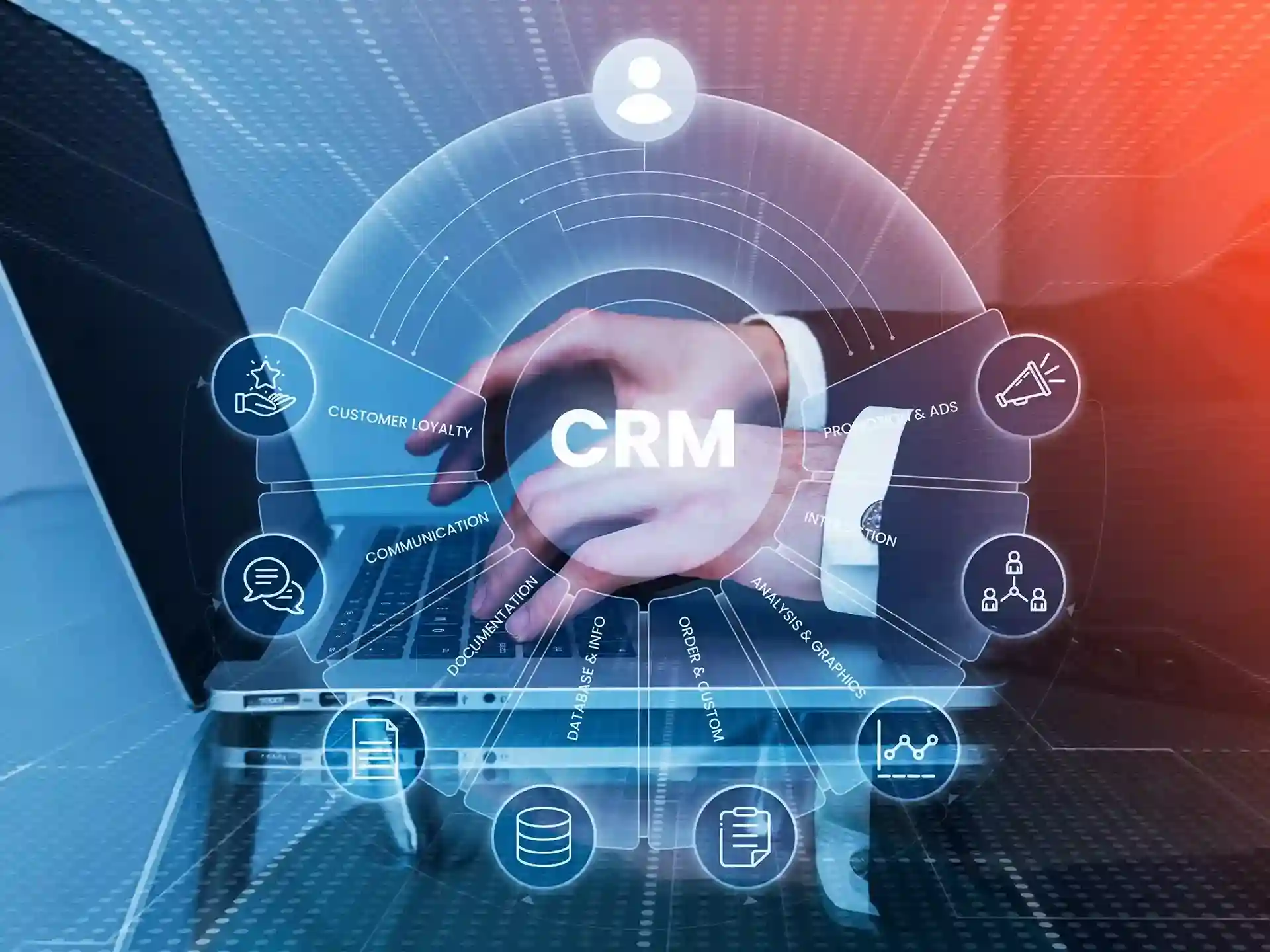
Businesses often underestimate how much manual sales tracking truly costs. While spreadsheets, notes, and scattered tools may seem sufficient at first, they gradually create inefficiencies that slow growth and reduce revenue visibility. Companies searching for the best CRM software in Dubai are usually at a stage where manual tracking is no longer sustainable, and the hidden costs have begun to impact performance.
This article breaks down the real financial, operational, and strategic costs of manual tracking compared to CRM — and explains why modern businesses are shifting to smarter systems.
Understanding Manual Sales Tracking
Manual sales tracking typically involves:
- Spreadsheets
- Email threads
- Notes or reminders
- Separate tools for leads and reporting
While this approach may work for very small teams, it becomes difficult to manage as sales volumes increase. The lack of automation and centralized data leads to errors, inefficiencies, and missed opportunities.
The Real Hidden Costs of Manual Sales Tracking
1. Lost Revenue From Missed Follow-Ups
One of the biggest hidden costs is missed opportunities. Without a structured system, leads can easily slip through the cracks.
Sales teams may forget follow-ups, duplicate outreach, or lose track of conversations. Over time, this directly reduces conversion rates and revenue potential.
2. Time Wasted on Administrative Tasks
Manual processes require significant time for:
- Updating spreadsheets
- Creating reports
- Searching for customer information
This administrative workload reduces the time sales teams spend actually selling, lowering overall productivity.
3. Inaccurate Forecasting
Sales forecasting relies on accurate data. Manual tracking often results in incomplete or outdated information, making it difficult for leadership to predict revenue accurately.
Poor forecasting can lead to:
- Inefficient resource allocation
- Cash flow challenges
- Missed growth opportunities
4. Lack of Visibility for Management
Without centralized data, managers struggle to answer key questions:
- Which deals are at risk?
- How is each sales rep performing?
- Where are bottlenecks in the pipeline?
This lack of insight prevents proactive decision-making and slows business growth.
5. Scalability Challenges
Manual systems don’t scale well. As the number of leads, customers, and transactions increases, processes become more complex and error-prone.
Companies often end up hiring more staff just to manage workflows — increasing operational costs without improving efficiency.
How CRM Eliminates These Hidden Costs
Centralized Customer Data
A CRM system consolidates all customer interactions, deals, and communication in one place. This ensures teams always have access to accurate and up-to-date information.
Automated Workflows
CRM automates repetitive tasks such as:
- Follow-up reminders
- Lead assignment
- Pipeline updates
Automation reduces manual effort and ensures no opportunity is overlooked.
Real-Time Reporting and Insights
CRM dashboards provide instant visibility into performance metrics, helping businesses make faster and more informed decisions.
Improved Collaboration
When sales, marketing, and customer support teams operate within the same system, communication improves and customer experiences become more consistent.
Financial Impact: CRM vs Manual Tracking
When comparing costs, many businesses focus only on software pricing. However, the true comparison should include operational efficiency and revenue impact.
Manual Tracking Costs
- Lost deals due to missed follow-ups
- Time spent on repetitive tasks
- Hiring additional administrative staff
- Inaccurate forecasting risks
CRM Benefits
- Higher conversion rates
- Reduced administrative workload
- Faster decision-making
- Scalable sales processes
Over time, CRM typically delivers a significantly higher return on investment than manual tracking.
The Strategic Advantage of CRM Adoption
Businesses that adopt CRM gain a competitive advantage because they can:
- Respond faster to customer inquiries
- Track opportunities more effectively
- Optimize sales strategies using data
- Maintain consistent customer communication
This strategic edge becomes increasingly important in competitive markets.
The Role of Customization in CRM Success
Every organization has unique sales workflows, which is why customization is critical. Integrating CRM with ERP customization services allows businesses to create a unified system that connects sales with operations, finance, and customer management.
This integration provides end-to-end visibility and ensures smoother business processes.
Why Local Expertise Matters
Choosing a locally supported solution ensures better implementation and support. Businesses implementing a CRM system in Dubai benefit from partners who understand regional business practices, market dynamics, and operational challenges.
Local expertise also helps ensure faster onboarding and better user adoption.
Upgrade From Manual Tracking to Smarter Sales
If your team is still relying on spreadsheets or disconnected tools, the hidden costs may already be affecting your growth.
Long-Term Benefits of Moving to CRM
Companies that transition from manual tracking to CRM typically experience:
- Increased sales productivity
- Improved customer retention
- More accurate forecasting
- Better team collaboration
Over time, these benefits compound, creating a stronger and more predictable revenue engine.
When Should You Switch to CRM?
You should consider moving to CRM if:
- Leads are being missed or poorly tracked
- Reporting takes too long
- Sales processes vary across teams
- Growth is creating operational complexity
These signals indicate that manual tracking is no longer sufficient to support business objectives.
Final Thoughts
Manual sales tracking may appear cost-effective initially, but the hidden costs can significantly impact revenue, productivity, and growth. CRM provides the structure, automation, and visibility businesses need to operate efficiently and scale confidently.
Organizations that adopt CRM early gain a clear advantage through better insights, stronger customer relationships, and streamlined workflows. If your goal is predictable growth and higher sales performance, transitioning from manual tracking to CRM is one of the most impactful steps you can take.