
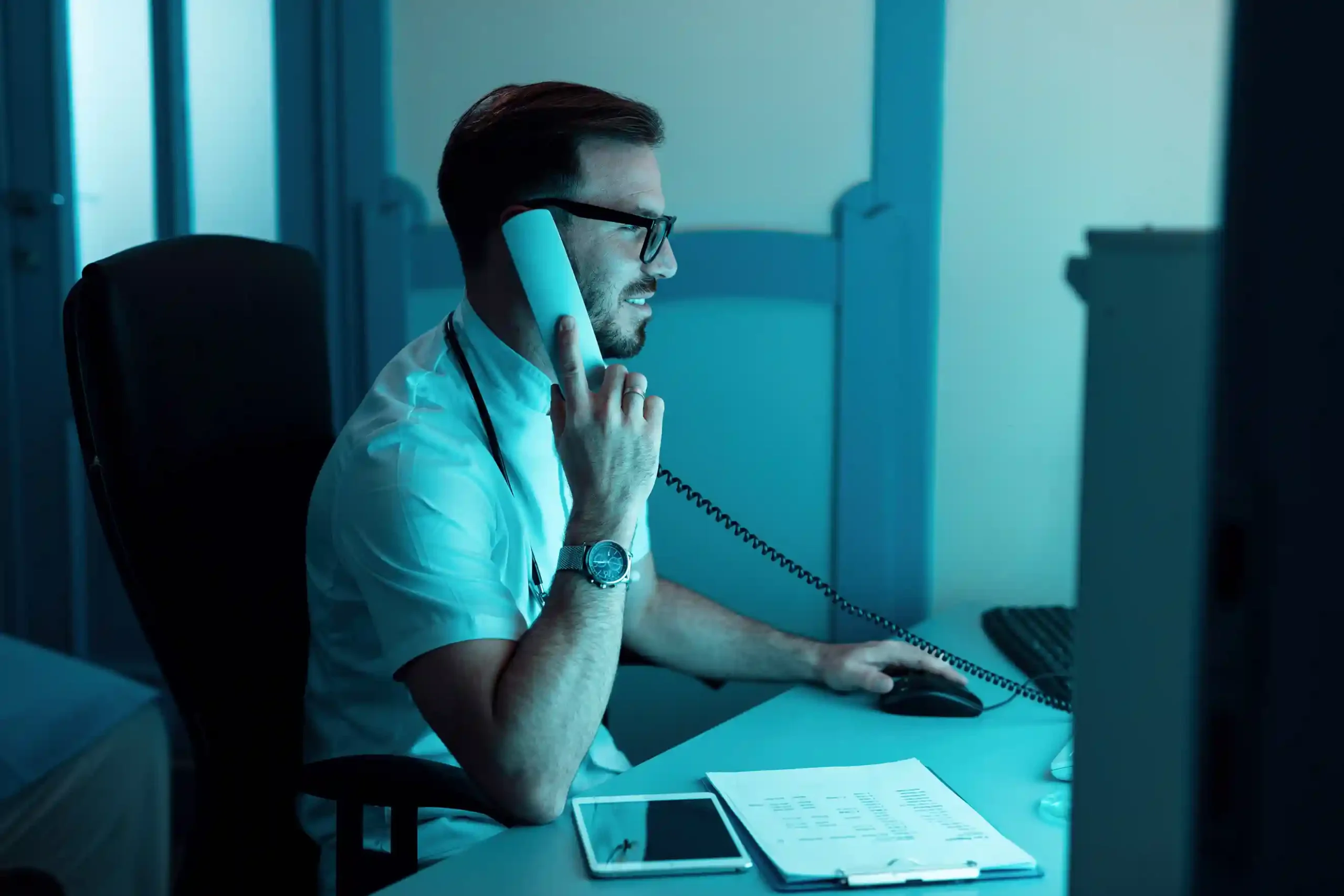
Many businesses start with a single IT person handling everything—from fixing laptops to managing servers and networks. While this may work in the early stages, it quickly becomes a major operational risk as the organization grows. When IT support depends on one person, even a minor disruption can snowball into downtime, security gaps, and frustrated employees. This is why more businesses are shifting to IT AMC in Dubai to ensure continuity, scalability, and reliability.
Relying on one individual for all IT responsibilities is not just a staffing concern—it’s a business continuity issue.
The Single Point of Failure Problem
When one person holds all IT knowledge, they become a single point of failure. If that individual is unavailable due to illness, resignation, leave, or burnout, the business is left exposed.
Common scenarios include:
- Passwords and system access tied to one individual
- No documentation of infrastructure or configurations
- Delayed issue resolution when the IT person is unavailable
- Critical decisions stalled due to lack of authority or expertise
This dependency creates fragility in systems that should be resilient.
Downtime Increases—Quietly but Consistently
When IT support relies on one person, issues are often addressed reactively rather than proactively. Routine maintenance gets postponed because urgent user issues take priority.
Over time, this leads to:
- Systems slowing down without clear reasons
- Small errors escalating into outages
- Missed updates and patches
- Unplanned downtime during peak business hours
Without a structured support model, businesses often realize the problem only after productivity is already affected.
Knowledge Silos Hurt Business Growth
One-person IT setups often result in undocumented systems. Configuration details, vendor contacts, licenses, and recovery procedures remain in one person’s head.
This creates challenges such as:
- Difficult onboarding for new IT staff
- Delays during audits or compliance checks
- Longer recovery times during incidents
- Higher risk during employee transitions
Growth becomes risky because IT knowledge doesn’t scale with the business.
Security Risks Multiply
Modern IT environments require constant monitoring, patching, and threat management. When one person handles everything, security often becomes reactive.
Common risks include:
- Delayed security updates
- Weak access controls
- Inconsistent backup verification
- Limited monitoring outside office hours
Security today is not a part-time responsibility. Businesses need layered oversight, tools, and accountability—something a single individual cannot realistically maintain alone.
Employee Productivity Takes a Hit
When employees depend on one IT person, support queues build up quickly. Simple issues take longer to resolve, leading to frustration and workarounds.
This results in:
- Lost work hours
- Reduced efficiency across departments
- Increased shadow IT usage
- Decline in overall employee experience
With structured IT Services, support requests are distributed, prioritized, and resolved faster—keeping teams productive.
What Happens When That Person Leaves?
One of the biggest risks is sudden resignation. When the only IT person leaves without a proper handover, businesses face:
- Loss of system access
- Delays in resolving existing issues
- Emergency hiring or expensive consultants
- Increased downtime during transition
This scenario is far more common than many businesses anticipate.
How IT AMC Eliminates Single-Person Dependency
An AMC model replaces individual dependency with a structured support framework. Instead of relying on one person, businesses gain access to a team with defined processes.
With IT amc services in Dubai, businesses benefit from:
- Documented systems and configurations
- Multiple engineers with shared knowledge
- Proactive maintenance schedules
- Defined escalation paths
- Faster issue resolution
This ensures continuity regardless of staff availability.
The Role of Remote and On-Site Support
Modern support models combine on-site expertise with centralized tools. Through remote it support, many issues are resolved immediately without waiting for physical presence.
This hybrid approach:
- Reduces response times
- Minimizes downtime
- Provides support beyond regular office hours
- Ensures consistent service levels
It’s a far more resilient approach than relying on one individual.
Why Businesses Choose CubeZix
Cubezix operates as a strategic IT company that replaces fragile IT dependency with reliable, scalable support. Our AMC approach ensures your IT environment is managed by a team—not an individual.
By partnering with Cubezix, businesses gain:
- Structured IT ownership
- Preventive maintenance and monitoring
- Clear documentation and reporting
- Business-aligned IT planning
From Dependency to Stability
When IT support depends on one person, the business carries unnecessary risk. Systems become fragile, growth slows, and disruptions become inevitable. An AMC model transforms IT from a vulnerability into a business enabler.
Instead of reacting to problems, businesses gain stability, predictability, and peace of mind—knowing their IT environment is always covered.
Final Thoughts
No business should hinge its operations on a single individual. IT today is too critical, too complex, and too interconnected. Moving to a structured AMC model ensures continuity, security, and scalability—without the risks of one-person dependency.
CubeZix helps businesses transition from fragile setups to professionally managed environments built for long-term success.