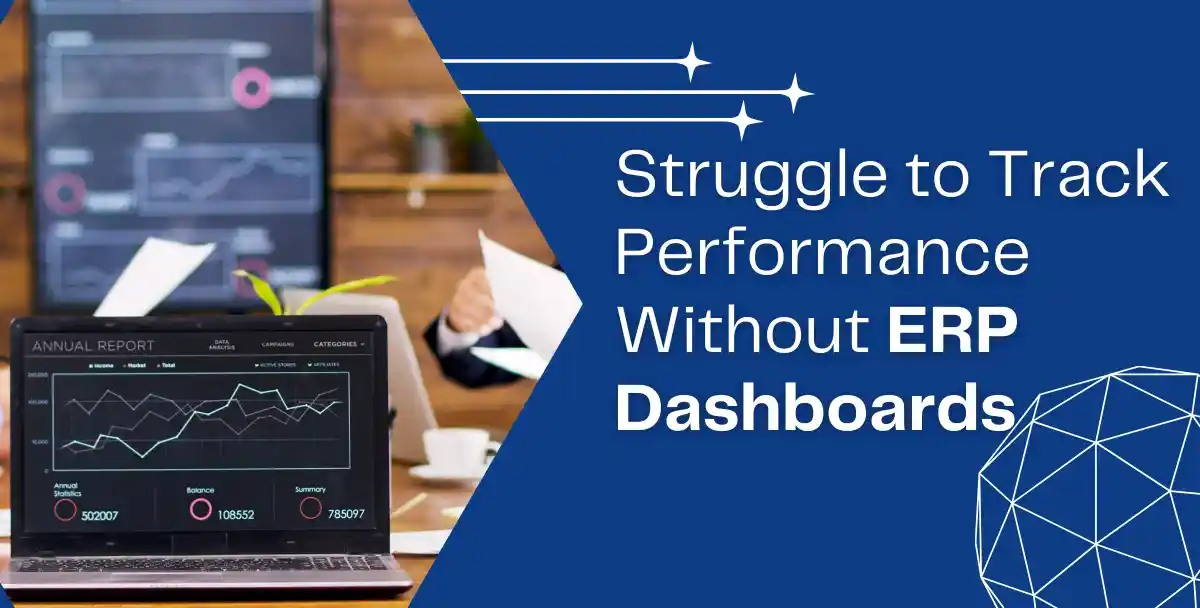
In fast-growing organizations, managers are expected to make quick, accurate decisions—yet many still rely on spreadsheets, disconnected tools, and manual reports to track performance. The result is delayed insights, conflicting data, and teams operating without clear accountability. This is one of the biggest reasons businesses eventually adopt ERP Software in Dubai to gain real-time visibility without adding complexity.
ERP dashboards don’t just display data—they transform how managers understand performance, measure productivity, and lead teams effectively. Without them, even experienced leaders struggle to see the full picture.
The Core Problem: Performance Data Is Scattered Everywhere
Most performance issues don’t come from lack of effort—they come from lack of visibility.
Without an ERP system, performance data is often spread across:
- Excel sheets maintained by different departments
- Email-based status updates
- Standalone accounting or sales tools
- Manual attendance and productivity tracking
Each source tells a partial story, but none offer a single source of truth. Managers spend more time collecting data than analyzing it.
This fragmentation leads to:
- Conflicting reports during reviews
- Delayed decision-making
- Missed warning signs
- Reactive management instead of proactive leadership
Why Manual Reporting Fails Modern Managers
1. Reports Are Always Outdated
By the time manual reports reach management, the data is already days—or weeks—old. This lag makes it impossible to respond quickly to performance dips or operational issues.
2. Human Error Distorts Insights
Manual data entry increases the risk of errors, inconsistencies, and duplicated figures. Even small inaccuracies can lead to poor strategic decisions.
3. No Real-Time Accountability
Without live dashboards, managers rely on follow-ups and reminders, which often feel like micromanagement. Teams lack clear performance benchmarks they can track themselves.
How ERP Dashboards Solve the Visibility Gap
An ERP dashboard centralizes performance data across departments into one real-time interface. Instead of asking for updates, managers can instantly see:
- Sales pipeline progress
- Task completion rates
- Inventory movement
- Project timelines
- Financial KPIs
- Employee productivity metrics
This shift from reactive reporting to proactive monitoring fundamentally changes how managers lead.
Cubezix, as an experienced ERP software company in Dubai, designs ERP dashboards that are role-based, intuitive, and aligned with real business workflows.
Performance Tracking Without Micromanagement
One of the biggest misconceptions is that tracking performance closely leads to micromanagement. In reality, ERP dashboards reduce micromanagement by making expectations and outcomes transparent.
Clear KPIs for Every Role
ERP dashboards define measurable KPIs for teams and individuals. Employees know exactly what success looks like—without constant check-ins.
Self-Monitoring Teams
When teams can see their own performance metrics, they self-correct faster. This builds ownership rather than dependence on managers.
Data-Backed Conversations
Performance discussions become objective and constructive, focused on data instead of assumptions or opinions.
Department-Wise Challenges Without ERP Dashboards
Sales Teams
Without ERP dashboards, sales managers struggle to track:
- Pipeline health
- Conversion rates
- Sales cycle length
This often leads to overestimating revenue and missing early signs of deal stagnation. Integration with tools like CRM Software becomes essential for accurate forecasting within ERP dashboards.
Operations & Inventory
Manual inventory tracking makes it hard to measure:
- Stock turnover
- Fulfillment efficiency
- Supply chain bottlenecks
ERP dashboards provide real-time operational visibility, preventing overstocking and shortages.
Finance Teams
Without centralized dashboards, finance teams face:
- Delayed cash flow insights
- Inaccurate cost tracking
- Slow month-end closures
ERP dashboards unify accounting, procurement, and sales data for accurate financial oversight.
Project Management
Project delays often go unnoticed until deadlines are missed. ERP dashboards track milestones, resource usage, and task dependencies in real time.
Why Spreadsheets Can’t Scale With Growth
Spreadsheets may work for small teams, but they break down as businesses scale:
- No real-time updates
- Limited access control
- Poor collaboration
- No automation
ERP dashboards scale effortlessly with business growth, providing structured data models and automated reporting that spreadsheets simply can’t match.
Real-Time Insights Drive Faster Decisions
ERP dashboards allow managers to:
- Identify performance bottlenecks instantly
- Adjust strategies before issues escalate
- Allocate resources based on live data
- Forecast outcomes with greater accuracy
Instead of waiting for monthly reviews, decisions are made daily—sometimes hourly—based on real metrics.
ERP Dashboards Align Teams With Business Goals
One of the most underrated benefits of ERP dashboards is alignment. When company-level goals are translated into measurable KPIs across departments, everyone works toward the same outcomes.
This alignment:
- Reduces internal friction
- Improves cross-team collaboration
- Strengthens accountability
- Increases overall efficiency
Managers no longer need to “chase updates”—the data speaks for itself.
Why Cubezix ERP Dashboards Are Built for Dubai Businesses
Businesses in Dubai operate in fast-paced, compliance-driven environments. Cubezix ERP dashboards are designed to support:
- Multi-department operations
- Real-time reporting
- Role-based access control
- Scalable growth for SMEs and enterprises
Most importantly, Cubezix ERP integrates seamlessly across sales, finance, inventory, HR, and operations—ensuring decision-makers always see the full picture.
👉 Explore how CubeZix can transform performance visibility with ERP Solutions in Dubai tailored to your business needs.
Final Thoughts
Managers don’t struggle because they lack skills—they struggle because they lack visibility. Without ERP dashboards, performance tracking becomes fragmented, delayed, and reactive.
ERP dashboards replace guesswork with clarity, micromanagement with accountability, and manual reporting with real-time intelligence.
For organizations looking to scale efficiently, improve team ownership, and make smarter decisions, ERP dashboards are no longer optional—they are essential.